Dark/Light Mode
BREAKINGNEWS
- Pertamina Buka Akses Digital bagi Anak Disabilitas Netra di MotoGP Mandalika
- Kinerja Melesat, Bank Mandiri Buyback Saham Dan Tebar Dividen
- Mbappe Brace, Real Madrid Hajar RB Leipzig
- Jakmania Dilarang Hadiri 6 Laga Tandang, PSSI Sanksi Persija-Persita
- Madura United Vs Persib Bandung, Jadwal Padat Jadi Kendala
Piezoleaf: A Biodegradable Lignocellulosic Piezoelectric Composite
Minggu, 13 Juli 2025 22:50 WIB

The transition to a green economy is a strategic and urgent challenge for Indonesia in the face of the global climate crisis and the depletion of fossil energy reserves. Indonesia's dependence on fossil energy is still very high with around 80-82% of the national energy system and is still dominated by non-renewable sources such as coal, natural gas and petroleum (Sisdwinugraha et al., 2025). If Indonesia does not immediately switch to renewable energy, it risks a serious energy crisis with oil and gas reserves predicted to run out by 2030. In the midst of this challenge, smart and sustainable infrastructure development based on alternative energy is crucial to support national energy security while reducing carbon emissions.
Behind the energy crisis, Indonesia holds the potential of oil palm empty fruit bunch (EFB) waste that reaches 47 million tons per year, but most of it is still not optimally utilized. (Infosawit, 2025). Unfortunately, only about 30-40% of this waste is disposed of or burned, causing pollution and carbon emissions. In fact, the lignocellulose content in TKKS is very suitable as a raw material for composite materials including for piezoelectric power generation technology. On the other hand, plastic waste such as polypropylene (PP) is also an environmental problem because it is difficult to decompose. But if combined with TKKS fibers, these two wastes can actually become strong, lightweight, and environmentally friendly composites ready to be used in green infrastructure development.
One promising innovation is piezoelectric tiles as a smart material that can convert footstep pressure into electrical energy. This technology has been successfully applied in crowded areas such as Al-Haram Mosque, Saudi Arabia (Alotibi & Khan, 2025). Unlike previous piezoelectric tile technologies that still use synthetic and expensive materials, PIEZOLEAF emerges by utilizing palm oil waste and recycled plastics that are low-cost, locally available, and biodegradable. Besides being environmentally friendly, this innovation also supports the reduction of carbon emissions, strengthens the city's energy security, and has the potential to become a win-win business. By utilizing waste into a solution, Piezoleaf answers two problems at once: energy crisis and environmental pollution. The following is the design of Piezoleaf:
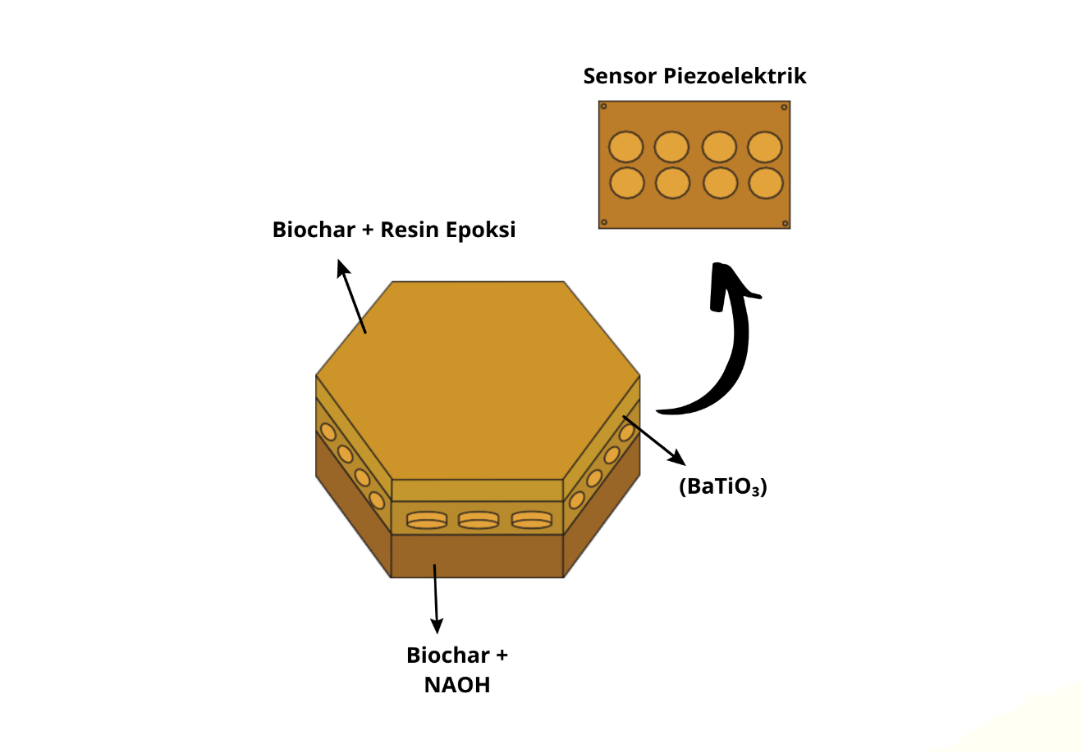
Figure 1. Piezoleaf Initial Design
The top layer of Piezoleaf tiles is coated with biochar as a carbon dioxide (CO₂) absorber and mechanical reinforcement for the composite structure. Biochar has the ability to absorb CO₂ from the surrounding air through physical and chemical interactions. The integration of biochar into thermoplastic plastics also helps to improve the barrier properties against gases and moisture which means the material becomes more durable when used outdoors. According to Bawamenewi et al. (2025), biochar can sequester up to 0.7-0.8 tons of carbon per hectare annually. In addition, Piezoleaf also uses thermoplastic base material. Recycled plastic waste material was chosen because it still has adequate mechanical properties and is able to combine with biomass materials and additives such as biochar without reducing overall performance. This combination creates a composite material that is weather-resistant, flexible, and still environmentally friendly. Here is the manufacturing process:
Baca juga : Rayakan Ulang Tahun ke-79, BNI Tebar Promo Dan Diskon Di PIK Hingga Bintaro
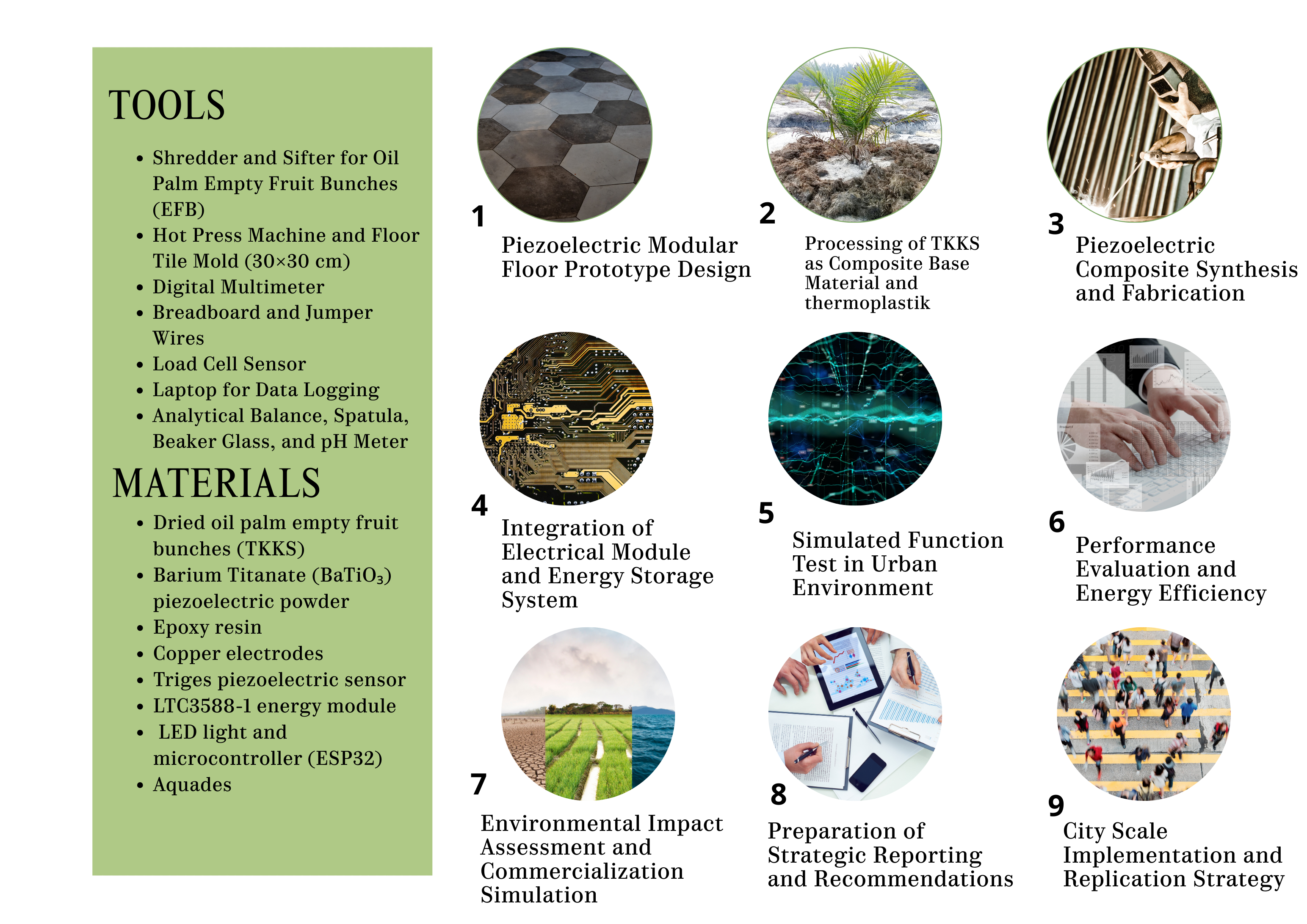
Figure 2. manufacturing process
Piezoleaf's ability to generate electricity from foot pressure is greatly influenced by several key factors such as BaTiO₃ content, piezoactive layer thickness, and frequency of pressure received. The more optimized the composition and design, the greater the energy that can be generated. A study by Selim et al. (2024) showed that simple piezoelectric tiles made from wood, foam, and hot glue can generate up to 246 milliwatts of electricity just from human footsteps at a manufacturing cost of about $10.2 per unit. Another study by Mowaviq (2018) corroborates that the greater the footing load, the higher the voltage generated, about 4-6 mV for a weight of 60 kg, up to 7-9 mV for a weight of 100 kg. These results prove the basic principle of piezoelectric technology can convert mechanical energy from pressure into electrical energy. In addition, when piezoelectrics are arranged in parallel their power storage capacity increases and supports various smart infrastructure applications such as automatic sensor systems, footing power street lights, or IoT devices in public spaces. The following is the energy harvesting system of footsteps by piezoelectricity:
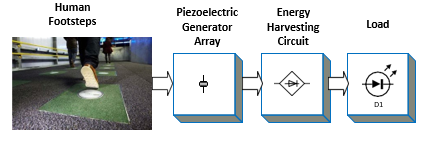
Figure 2. Energy Harvesting System of Footsteps by Piezoelectricity (Selim et al., 2024)
To ensure Piezoleaf is resilient and can work in the long run, various durability tests will be carried out such as simulations of up to 10,000 repeated footholds on sidewalks or other crowded places. In terms of electricity, tests using oscilloscopes and multimeters show that each step can produce an average voltage of 4.1-5.8 volts, enough to charge small-scale LED lights or smart sensors. In addition, the research team also conducted a Life Cycle Assessment (LCA) to assess the environmental impact of Piezoleaf. As a result, these tiles can degrade in less than 90 days in a composter and produce a much lower carbon footprint compared to conventional materials based on synthetic plastics (Pham et al. 2023) This fact confirms that Piezoleaf is a responsive, durable, and suitable microenergy technology for active public spaces:
Baca juga : Senyum Anak Pengemudi Ojek Menerima Perlengkapan Sekolah Dari Pertamina
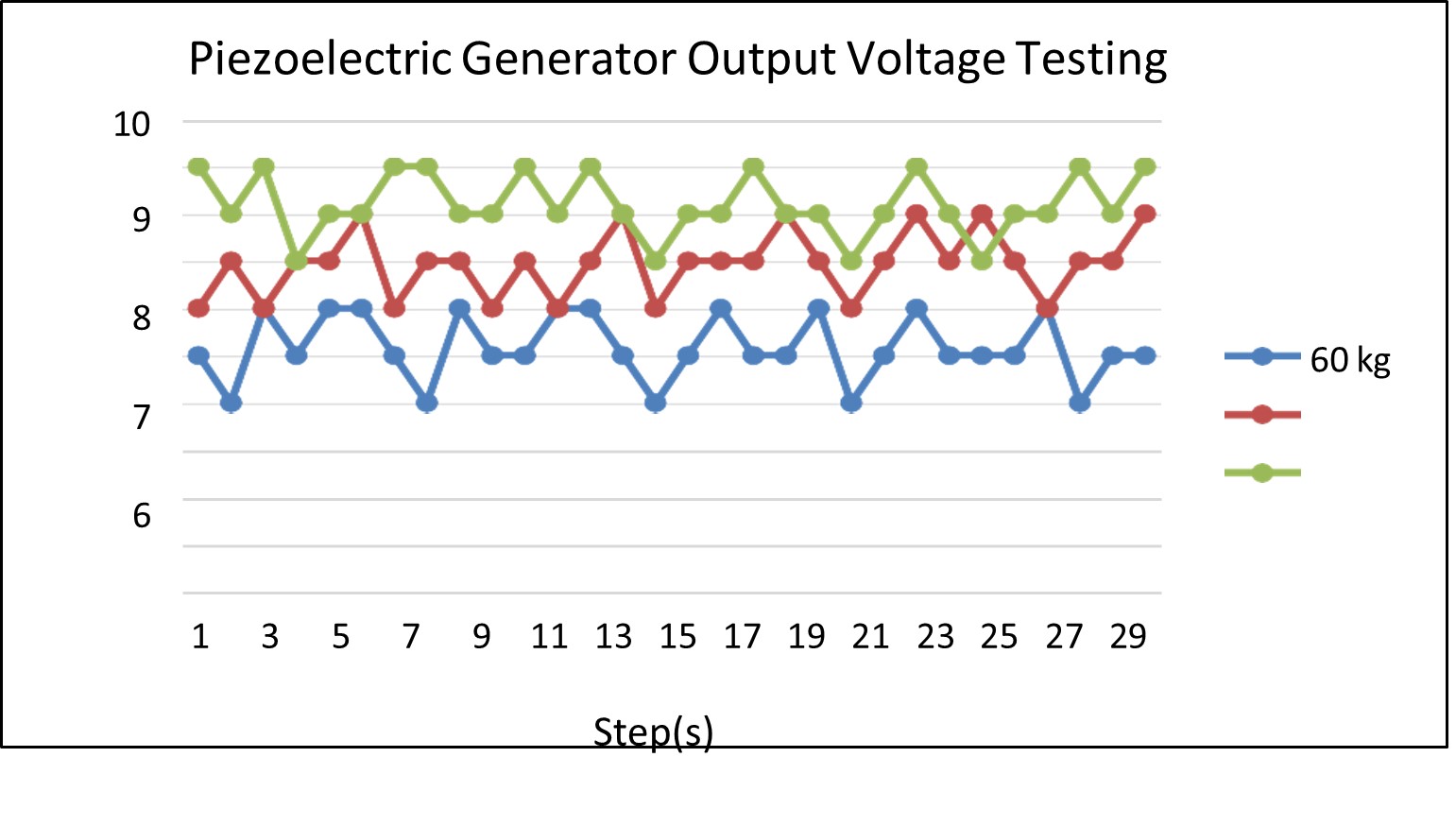
Figure 3. Energy Harvesting System of Footsteps by Piezoelectricity (Selim et al., 2024)
Piezoleaf is designed not only as a technological solution, but also as a sustainable business opportunity. The electrical energy generated from every footstep can help reduce dependence on conventional electricity, while saving fossil energy and lowering carbon emissions by up to 9 kg CO₂ per 1,000 units per year. Business-wise, Piezoleaf's financial projections are very promising. In five years, revenue is expected to increase from Rp80 million to Rp351 million, with profit growth and operational efficiency continuing to improve. The short payback period (1.67 years), high ROI (104%), and IRR reaching 75.7% show that the project is commercially viable. By combining palm waste-based piezoelectric technology, commitment to environmental sustainability, and a hybrid B2C-B2B business model. Here are Piezoleaf's marketing strategies and stakeholders:
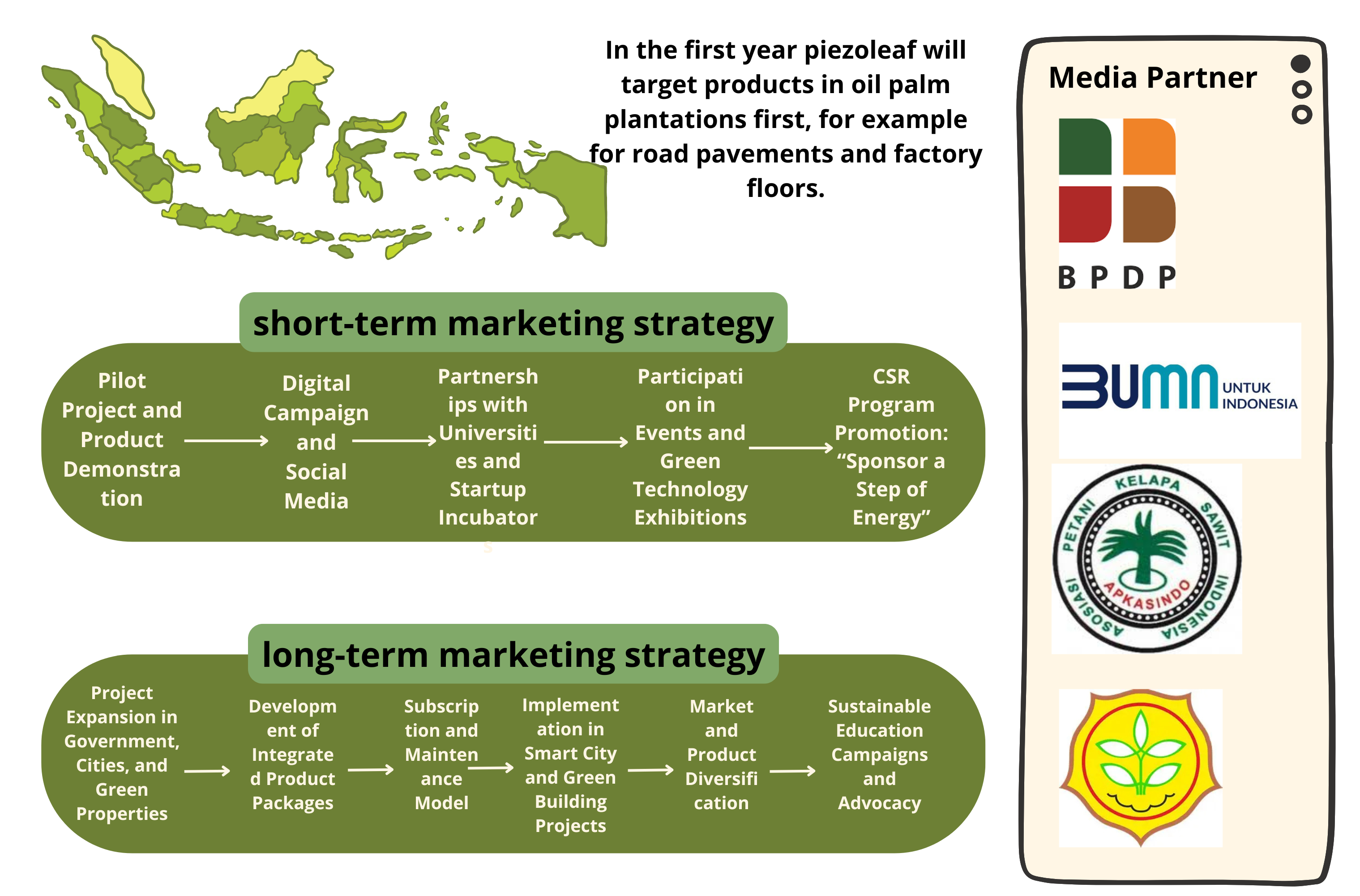
Figure 5. Piezoleaf's marketing strategies and stakeholders
Piezoleaf innovation has a great opportunity to be developed in Indonesia considering the country is the world's largest palm oil producer that produces abundant amounts of TKKS waste. Global trends also show interest in alternative energy technologies that are modular, sustainable, and based on local waste. Piezoleaf directly supports the achievement of several sustainable development goals, such as SDG 7 (Clean and Affordable Energy), SDG 9 (Innovative and Industrial Infrastructure), and SDG 13 (Addressing Climate Change). In addition, Piezoleaf brings significant impacts in three main dimensions: environmental, social, and economic. In terms of the environment, this technology is able to reduce waste while reducing carbon emissions. Socially, this innovation encourages local community empowerment through the involvement of farmers, scavengers, and recycling MSMEs. On the economic side, Piezoleaf offers construction cost efficiency, broad market potential, and supports the transition to a green economy. Thus Piezoleaf comes as an innovation that supports smart, sustainable cities and the achievement of SDGs.

Eli Wahyuni Nasution
Eli Wahyuni Nasution, Mahasiswa Agribisnis Institut Teknologi Sawit Indonesia
Eli Wahyuni Nasution, Mahasiswa Agribisnis Institut Teknologi Sawit Indonesia
Update berita dan artikel RM.ID menarik lainnya di Google News
Dapatkan juga update berita pilihan dan breaking news setiap hari dari RM.id. Mari bergabung di Grup Telegram "Rakyat Merdeka News Update", caranya klik link https://t.me/officialrakyatmerdeka kemudian join. Anda harus install aplikasi Telegram terlebih dulu di ponsel.
Tags :
Berita Lainnya