Dark/Light Mode
BREAKINGNEWS
- Pertamina Buka Akses Digital bagi Anak Disabilitas Netra di MotoGP Mandalika
- Kinerja Melesat, Bank Mandiri Buyback Saham Dan Tebar Dividen
- Mbappe Brace, Real Madrid Hajar RB Leipzig
- Jakmania Dilarang Hadiri 6 Laga Tandang, PSSI Sanksi Persija-Persita
- Madura United Vs Persib Bandung, Jadwal Padat Jadi Kendala
Integration of Organic Waste Management through Maggot and Catfish Cultivation
Minggu, 13 Juli 2025 00:18 WIB
Environmental Challenges
The Intergovernmental Panel on Climate Change (IPCC), explains that global surface temperatures will increase by 1.1 to 6.4℃ between 1990 and 2100. The increase in global average temperature is caused by the increasing concentration of gases in the atmosphere due to human activities, one of which is from organic waste. According to KLHK (2023), 65.83% of organic waste in Indonesia is only transported and disposed of in landfills so that it can produce methane gas emissions. Based on KLHK data (2024), the amount of waste generation in Indonesia in 2023 reached 69.9 million tons with a composition of 41.60% dominated by food waste. 44.37% of waste comes from households. As a developing country, Indonesia still faces complex poverty issues. Based on BPS data (2024), the number of poor people in Indonesia is 24.06 million. Poverty in Indonesia is not solely determined by low income, but limited access to productive resources, and lack of product processing skills (Saputri et al. 2025).
Challenges and Potentials of Sukawening Village
Based on a field survey, RT3/RW 6, Sukawening Village, Bogor Regency, produces 38.4 kg/day of organic waste. In addition, the background of the residents is that the average high school graduate and some even graduated from elementary school, resulting in a lack of decent work. In RT 3/RW 6, only two houses carry out fish farming and the high cost of fish feed is a major obstacle. The catfish harvest is only sold in raw form without processing. Ironically, in the midst of environmental threats, there is a simple solution, namely maggot. Maggot can decompose organic waste 2-5 times its body weight in 24 hours (Azzahra and Sari, 2024). This program aims to develop an environmentally based creative economic model through household organic waste management in RT 3/RW 6 Sukawening Village by utilizing an integrated approach between Bumahan (Budidaya Maggot Rumahan), Budikdamber (Budidaya Ikan Lele dalam Ember), and processed catfish shredded products with an Asset Based Community Development (ABCD) approach that focuses on strengthening the community's local assets and potential. The activity lasted for three months or 12 meetings with pretest and posttest. Data collection was carried out by observation, documentation, interviews, and quantitative measurements of the volume of organic waste, cultivation results, and product sales turnover.
Implementation of Innovation
During the first 4 meetings, we explained the potential and practiced with the community to make Budikdamber. This was done with the aim of making residents realize that catfish farming does not require a large area, just a bucket (Figure 1).
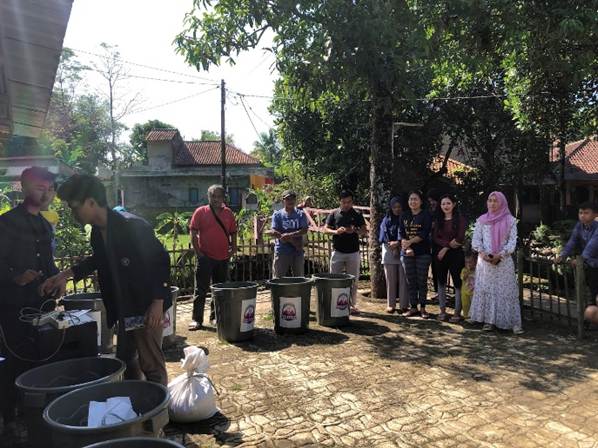
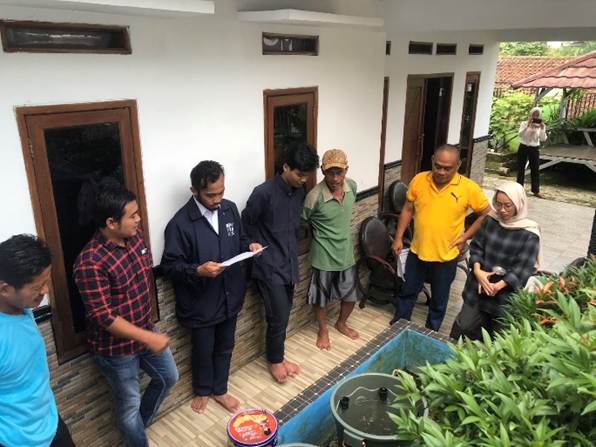
Figure 1. Budikdamber making. A) Budikdamber Building. B) Budikdamber Weekly Evaluation
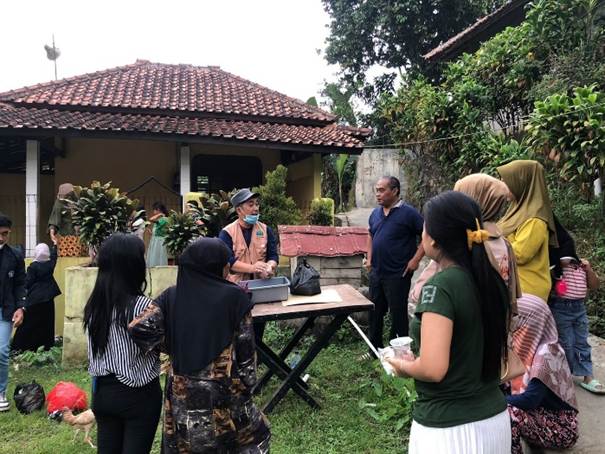
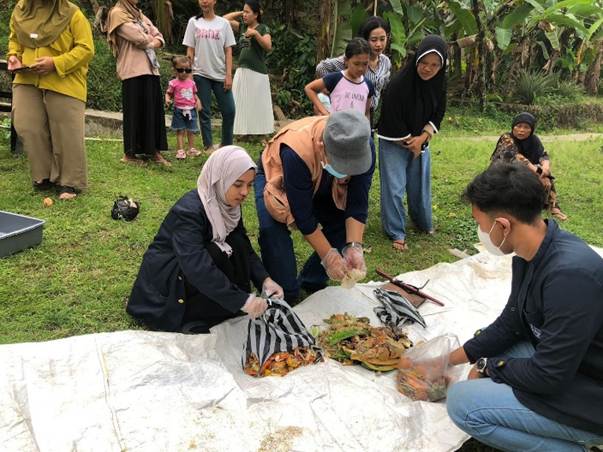
Budikdamber made together is a high economic opportunity. However, catfish feed is required at a high cost. Therefore, in the next 4 weeks, education was held regarding Bumahan (Figure 2). Maggot is rich in protein that can be used as catfish feed so as to reduce fish feed expenditure and simply feed on organic waste. This is in line with the goal of reducing organic waste itself.
Baca juga : Insight Investments Management: Manfaatkan dengan Reksa Dana Pasar Uang
Figure 2. Bumahan Making Process with Society
Moving on to the last 4 weeks, community education to manage this catfish into high-value products, namely the production of shredded catfish. This education received high enthusiasm from residents, especially mothers who like to cook (Figure 3).
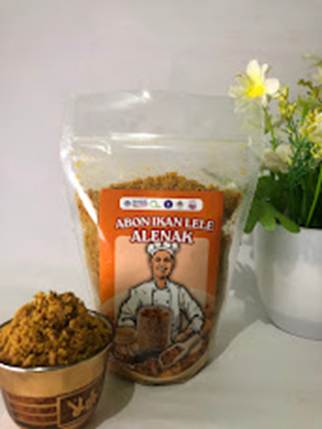
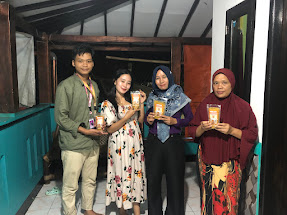
Figure 3. Shredded Catfish of Alenak
This program not only teaches the production of shredded catfish, but also online sales strategies under the Alenak brand, which has been registered with HAKI. To ensure sustainability, a Rumah Budidaya community was established that manages the entire production process and supports a zero waste circular economy (Figure 4).
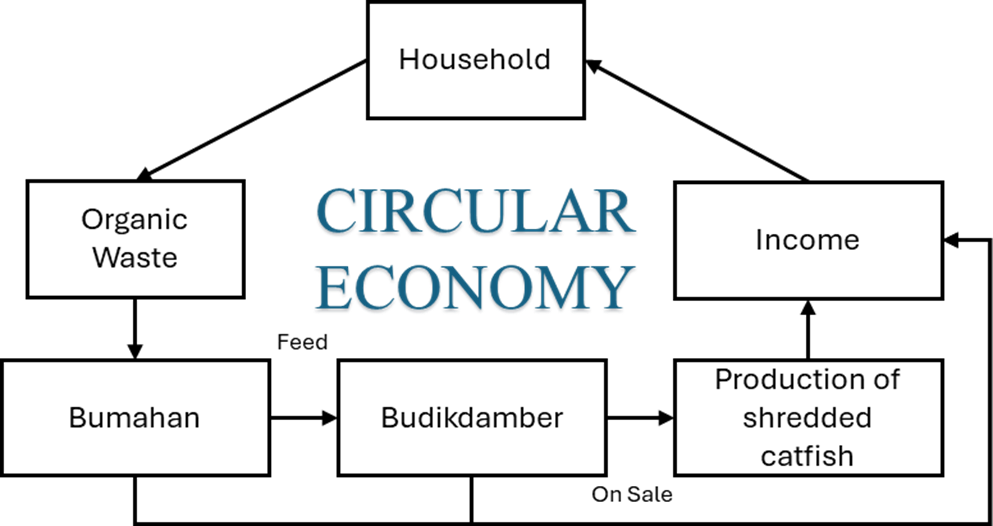
Figure 4. Circular Economy Mechanism in Cultivation House
Potential for Further Innovation Development
Baca juga : Pemerintah Lagi Cari Pembuat Koin Jagat
Through this potential and cultivation program. The next step is to focus on making this program an eco-tourism, named Eduwisata Kampung Alenak. This edu-tourism can be equipped with educational signage, exhibitions, and demonstrations that explain the benefits and potential of maggots in waste management and the products produced. This edu-tourism will support SDGs points 8, 12, and 13 (Figure 5).
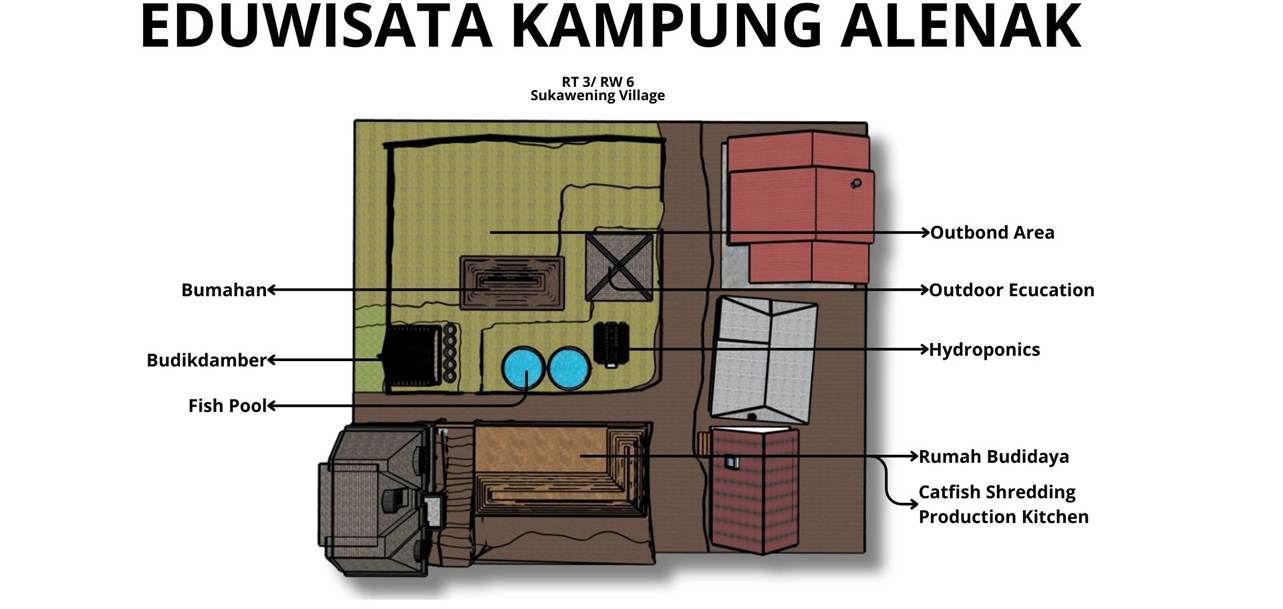
Figure 5. Design of Edu-tourism Mapping of Alenak Village
Scaling up the Bumahan program in each RT can be done by establishing other Bumahan points. This scalability is continued by placing a centralized Organic Waste Bank at the village office that serves as a collection point for organic waste. In addition, a courier service is provided to transport organic waste from each RT to Bumahan (Figure 6).
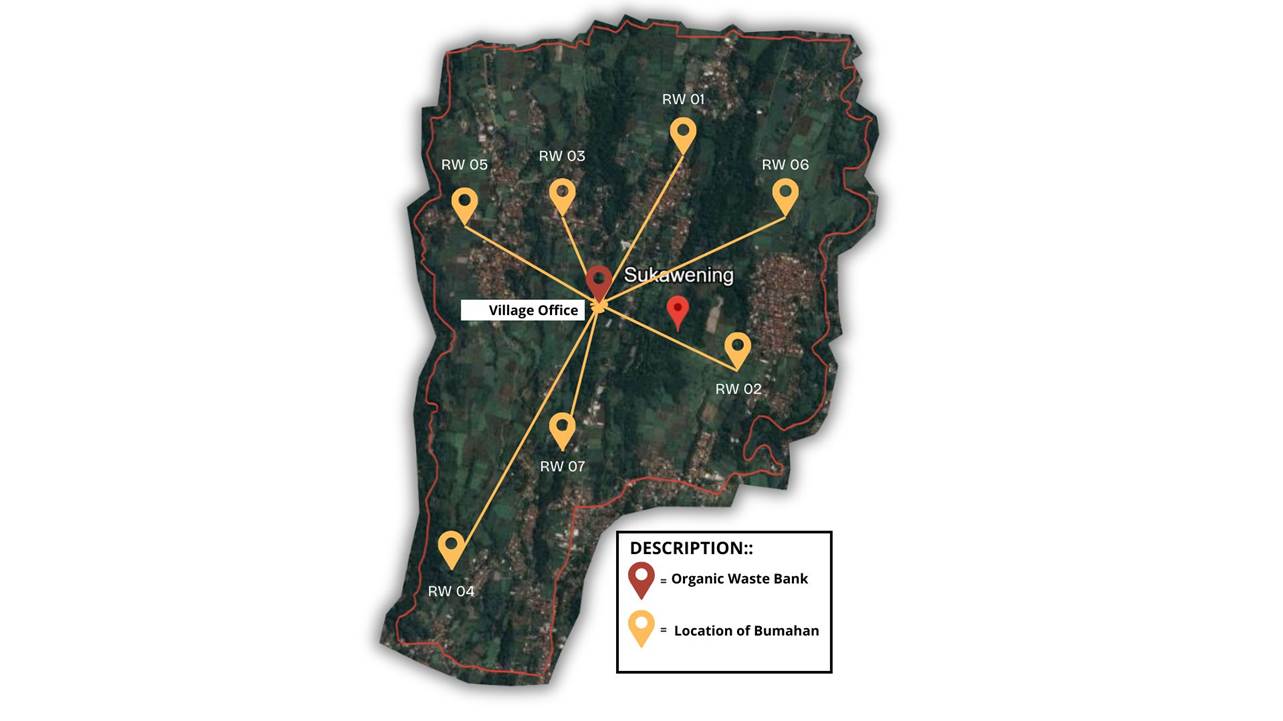
Figure 6. Strategic Location Mapping of Organic Waste Bank Center with Bumahan
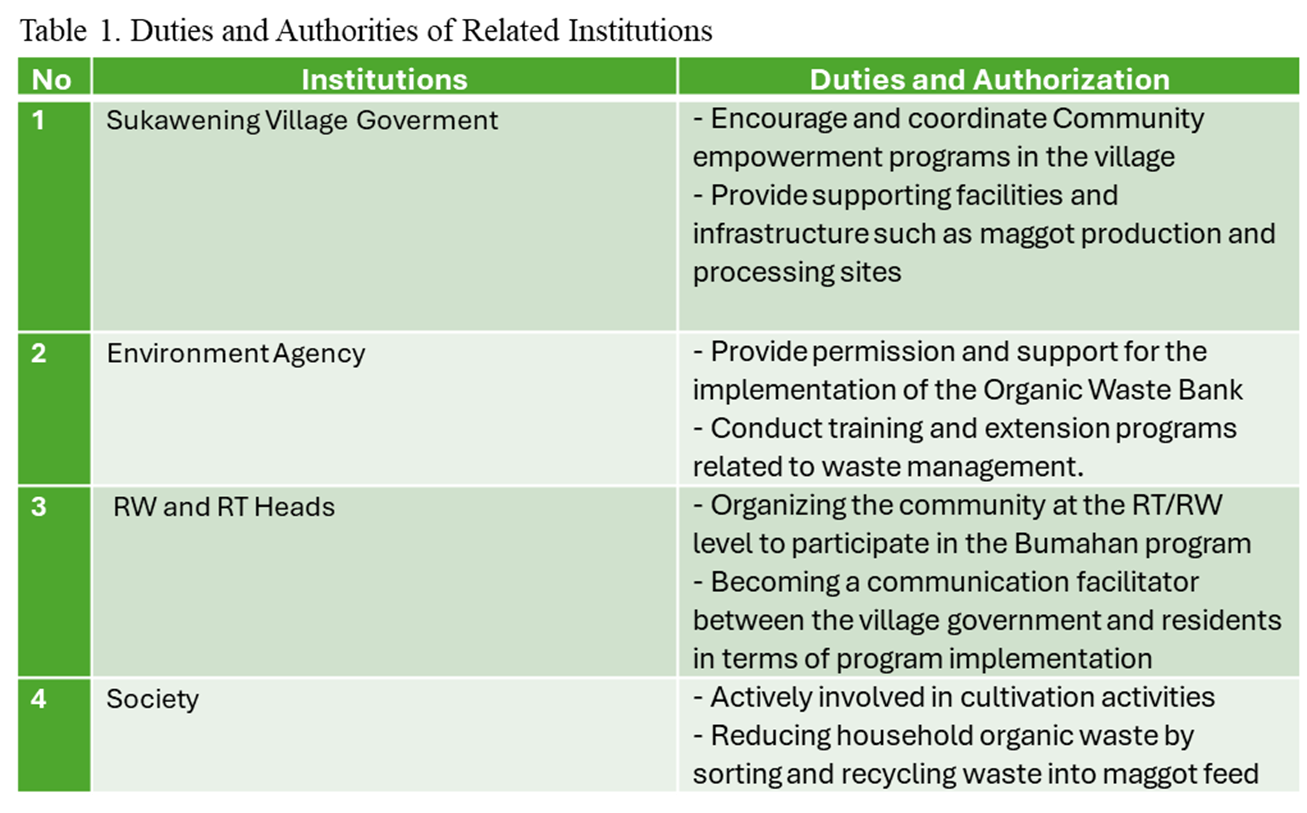
This implementation requires support from all parties (Table 1) so that Sukawening Village can achieve a village with a sustainable environment and a good Circular Economy.
Usefulness of Innovation
Empowerment in RT 3/RW 6 provides environmental, economic, and social benefits. One Bumahan point was able to reduce 20.4 kg of organic waste per day (47% efficiency) and reduce emissions by 4.2 kg CH₄ and 105 kg CO₂ per day. Empowerment in RT 3/RW 6 had a significant economic impact, with catfish feed costs reduced by 70% due to the use of maggot and coconut pulp. The number of farmers increased from 2 to 6 groups, producing 50-60 pcs of shredded catfish per harvest with a turnover of Rp1.2 million. The program was enthusiastically attended by 10-15 residents with an 80% attendance rate for 12 meetings, and produced a “Rumah Budidaya” community to maintain the sustainability of the circular economy-based program.
Sustainability
Baca juga : Eksekutif Henan Asset Management Terpilih Jadi Anggota Badan Supervisi LPS
This innovation can experience sustainability with the right strategic planning and timing. Strategies and timelines are offered in Table 2.

Conclusion
The Bumahan and Budikdamber programs in RT 3/RW 6 Sukawening Village have reduced organic waste by 47% and greenhouse gas emissions by 4.2 kg CH₄ and 105 kg CO₂ per day. Economically, the cost of catfish feed decreased by 70% and the turnover of shredded catfish reached Rp1.2 million per harvest. The formation of the “Rumah Budidaya” community and the Alenak brand strengthened social capacity. This program has the potential to be developed as Kampung Alenak eco-tourism based on SDGs points 8, 12, and 13, and become a model of an environmentally friendly independent village.
References
Azzhara, M. Sari, D. A. (2024). Awalan Ekonomi Mandiri Berkelanjutan Melalui Budidaya Maggot (Hermetia illucens) Black Soldier Fly (BSF). Martabe: Jurnal Pengabdian Kepada Masyarakat. 7(1), 1-11.
Badan Pusat Statistika (BPS). (2024). Profil Kemiskinan di Indonesia.
Intergovernmental Panel on Climate Change (IPCC). (2019). The IPCC Special Report on Global Warming of 1.5 °C: Significance and Implications for Africa – Outreach Event. https://www.ipcc.ch/event/the-ipcc-special-report-on-global-warming-of-1-5-c significance-and-implications-for-africa-outreach-event/
Kementerian Lingkungan Hidup dan Kehutanan (KLHK). (2023). Oase Kabinet dan KLHK Ajak Masyarakat Kelola Sampah Organik Menjadi Kompos. Acces on 28 February 2025. https://ppid.menlhk.go.id/berita/siaran-pers/7222/oase-kabinet-dan-klhk-ajak-masyarakat kelola-sampah-organik-menjadi-kompos
Kementerian Lingkungan Hidup dan Kehutanan (KLHK). (2024). KLHK Ajak Masyarakat “Gaya Hidup Minim Sampah” dalam Festival LIKE 2. Accesed on 28 February 2025. https://ppid.menlhk.go.id/berita/siaran-pers/7818/klhk-ajak-masyarakat-gaya-hidup minim-sampah-dalam-festival-like-2
Saputri, M. A., Millah, M. N., Falah, R. N., & Dewi, S. A. (2025). Poverty Alleviation Strategy: Challenges and Opportunities in Realizing SDGs in Indonesia. Entita: Jurnal Pendidikan Ilmu Pengetahuan Sosial dan Ilmu-Ilmu sosial, 523-538.

Muhammad Ilham Rizky Maulana
Muhammad Ilham Rizky Maulana IPB University
Muhammad Ilham Rizky Maulana IPB University
Update berita dan artikel RM.ID menarik lainnya di Google News
Dapatkan juga update berita pilihan dan breaking news setiap hari dari RM.id. Mari bergabung di Grup Telegram "Rakyat Merdeka News Update", caranya klik link https://t.me/officialrakyatmerdeka kemudian join. Anda harus install aplikasi Telegram terlebih dulu di ponsel.
Tags :
Berita Lainnya